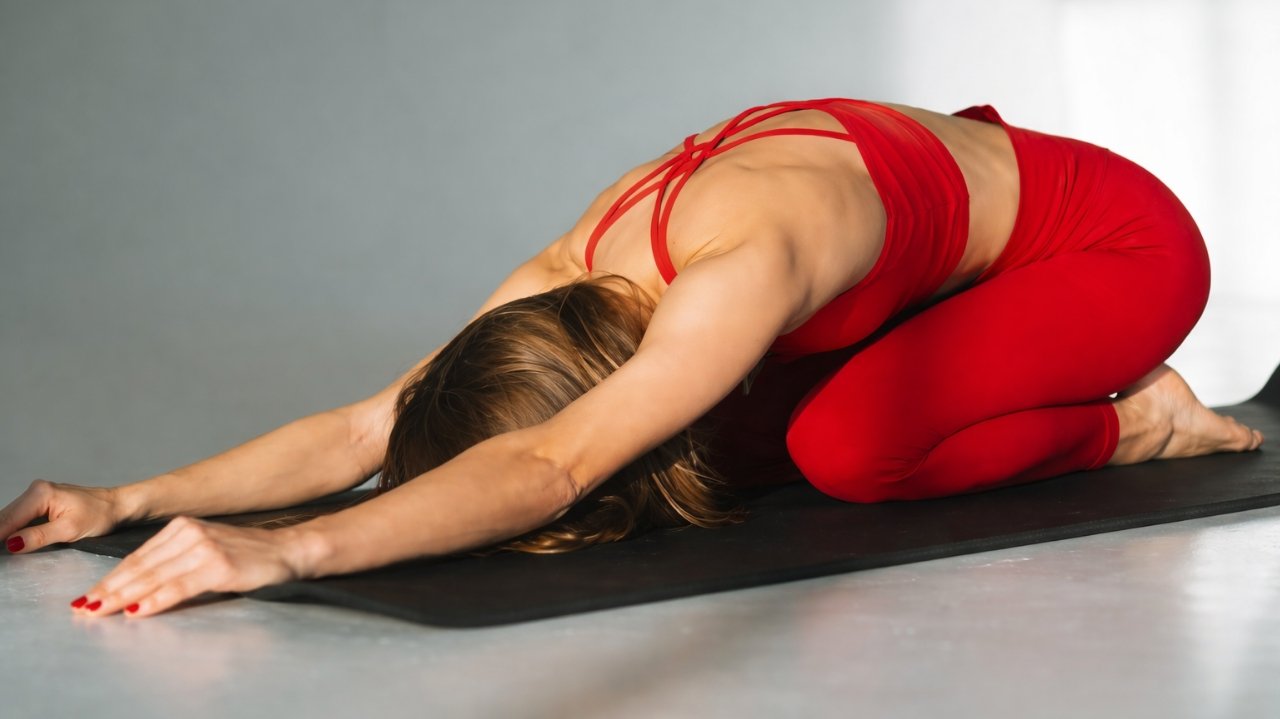
If you’ve tried sleep supplements, herbal teas or even melatonin with little success, a gentle yoga routine before bed may be worth considering. Yoga doesn’t require expensive tools or intense effort. A few calming poses, practiced slowly, can help your body and mind prepare for rest naturally.

Also Read – 7 Simple Yoga Poses That Help Improve Flexibility Faster

Your Fitness Starts Declining at 35, But Science Reveals It’s Never Too Late

How Yoga Can Help You Sleep Better
Sleep problems are often connected to stress and nervous system imbalance. When the body remains in “alert mode,” falling asleep becomes difficult.
Yoga helps by encouraging relaxation. Slow movements and controlled breathing calm the nervous system and shift the body into a state that supports rest and recovery. Over time, this can improve both sleep quality and sleep consistency.
Calming the Mind and Body
Many people struggle with sleep because their mind doesn’t switch off. Thoughts about work, responsibilities or worries keep looping, even when the body feels exhausted.
Gentle yoga encourages mental stillness. By focusing on breath and slow movement, attention shifts away from racing thoughts. At the same time, muscles begin to release tension held throughout the day, allowing the body to soften and relax.
Reducing Stress Before Bed
Stress hormones play a major role in sleep patterns. When stress levels remain high at night, the body stays alert instead of resting.
Practicing calming yoga in the evening may help lower stress responses and signal to the body that it’s time to slow down. This transition is essential for falling asleep more easily and staying asleep longer.
The Best Yoga Poses for Sleep
You don’t need to practice for long to feel the benefits. Even 10 to 15 minutes before bed can make a difference. These poses can be done individually or as a short sequence.
Hold each pose for three to five minutes, breathing slowly and comfortably. The goal is relaxation, not stretching deeply.
1. Supported Child’s Pose
This gentle forward fold is deeply calming and helps release tension in the hips, lower back and shoulders.
How to do it:

- Start on your hands and knees
- Widen your knees and bring your hips back toward your heels
- Place a pillow or cushion between your legs
- Rest your torso and head on the support
- Breathe slowly and deeply
Remain in the pose for three to five minutes, allowing your body to feel fully supported.
2. Supported Goddess Pose (Reclined Butterfly)
This restorative pose encourages the body to settle into the floor, releasing tension built up during the day.
How to do it:
- Sit on the floor with your legs extended
- Bring the soles of your feet together and let your knees open
- Place pillows or cushions under both knees for support
- Slowly recline onto your back
- Rest your arms by your sides or on your belly
Stay here for three to five minutes, focusing on slow, steady breathing.
3. Legs Up the Wall
This gentle inversion helps improve circulation and calm the nervous system before sleep.
How to do it:
- Sit close to a wall
- Lie down and swing your legs up the wall
- Keep a slight bend in the knees if needed
- Place a pillow under your hips for comfort
Hold the pose for three to five minutes. If your legs feel uncomfortable, gently bend your knees and relax.
Other Relaxing Yoga Poses for Sleep
If you want additional options, these beginner-friendly poses may also help release tension before bed:
- Cat–Cow Pose
- Forward Fold
- Bridge Pose
- Happy Baby Pose
- Seated Twist
- Butterfly Pose
Move slowly and avoid forcing your body into deep stretches late at night.
Which Types of Yoga Are Best Before Bed?
Not all yoga styles are suitable for nighttime practice. Faster-paced classes may increase heart rate and alertness, which can interfere with sleep.
For better rest, slower and more restorative styles are recommended:
- Restorative Yoga
- Yin Yoga
- Yoga Nidra
Making Yoga Part of Your Night Routine
Consistency matters more than intensity. Practicing gentle yoga regularly, even for a short time, can help train your body to recognize bedtime cues.
Try dimming the lights, putting your phone away and practicing yoga in a quiet space. Over time, your body may begin to associate these movements with rest and sleep.
The Bottom Line
If falling asleep feels like a nightly struggle, gentle yoga may help. You don’t need medication or complicated routines. Just a few slow poses and mindful breathing before bed can:
- Calm a racing mind
- Reduce stress
- Support deeper, more restful sleep
With regular practice, these simple poses can become a natural and effective part of your nighttime routine.